


![[TUYỂN DỤNG] NHÀ MÁY GẠCH MEN MIKACO](/images/ckeditor/images/z6853140567376_7c8ea3f3b079510c2bf62c7b30948189.jpg)
![[TUYỂN DỤNG] NHÀ MÁY BÊ TÔNG AMACCAO](/images/ckeditor/images/Th%20ng%20Tuyn%20dng-h%60inh%20nh-0.jpg)
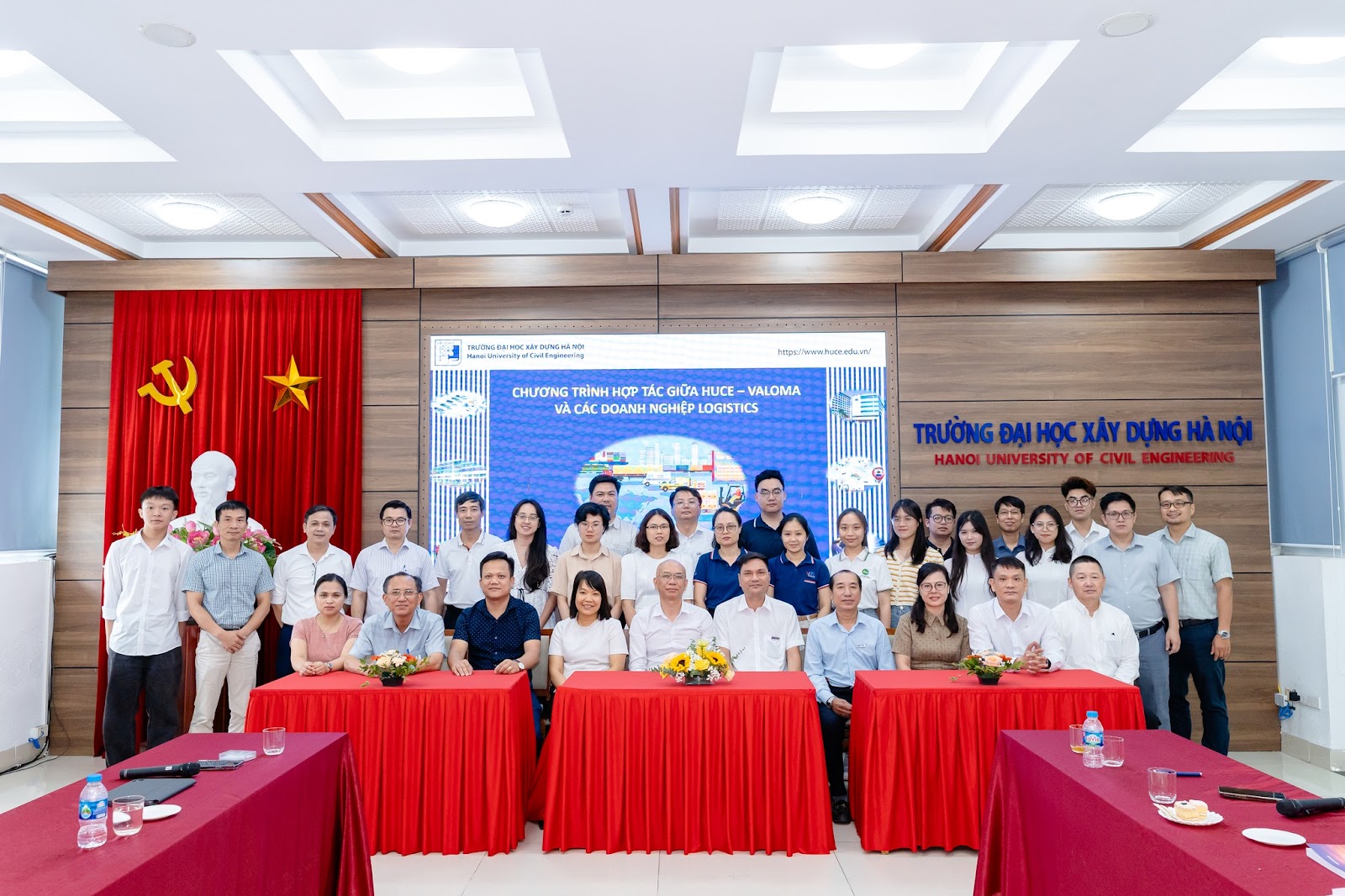
Industrial Logistics major at Hanoi University of Civil Engineering: Connecting expertise and practical experience right from the classroom.
Vietnam's logistics sector ranks among the top 10 emerging markets globally.
In the context of strong globalization and digital transformation, the Logistics sector is increasingly asserting its crucial role in the economy, as a "lifeline" connecting production, distribution, and consumption. Decision No. 175 QD-TTg dated January 27, 2011, of the Prime Minister also clearly stated: "Consider logistics as a key factor to promote the development of production, distribution systems of other service industries and goods circulation." According to forecasts of the Vietnam Logistics Business Association (VLA), by 2030, the Vietnamese Logistics industry is expected to lack about 2 million workers [1]. In addition, according to Agility's ranking in 2023, Vietnam ranks 10th among the top 50 emerging logistics markets in the world and will continue to rise in the following years, creating many open career opportunities for dynamic young people with systems thinking and the ability to adapt to modern technology.
The Industrial Logistics specialization is key to unlocking many development opportunities.
Recognizing the development trends and urgent needs of the country, Hanoi University of Civil Engineering has developed a specialized training program in Industrial Logistics (part of the Logistics and Supply Chain Management major) to contribute to providing high-quality human resources to meet the increasingly high practical demands of industrial production development in the era of national growth.
Sharing his views on the role of the field in the context of the rapid development of manufacturing technology today, Dr. Le Manh Cuong – Deputy Head of the Department of Building Materials, Hanoi University of Civil Engineering, stated that Industrial Logistics not only contributes to the flow of goods – raw materials – finished products, but also plays a strategic role in optimizing the industrial production process – a key factor in increasing the added value of industrial products, contributing to the transformation of the economy towards modern industrialization.
However, Vietnam is facing a shortage of high-quality logistics personnel, especially in the technical and technological departments of industrial production processes in factories and industrial parks. This problem highlights the urgent need to innovate and expand training methods to equip learners not only with general knowledge of logistics and supply chain management in line with Industry 4.0 approaches and modern, internationally standardized work skills, but also with in-depth specialized knowledge in industrial production management, forecasting market demand and input materials, inventory management, and the application of modern technology to production management practices to meet the requirements of job positions in the industrial production process.
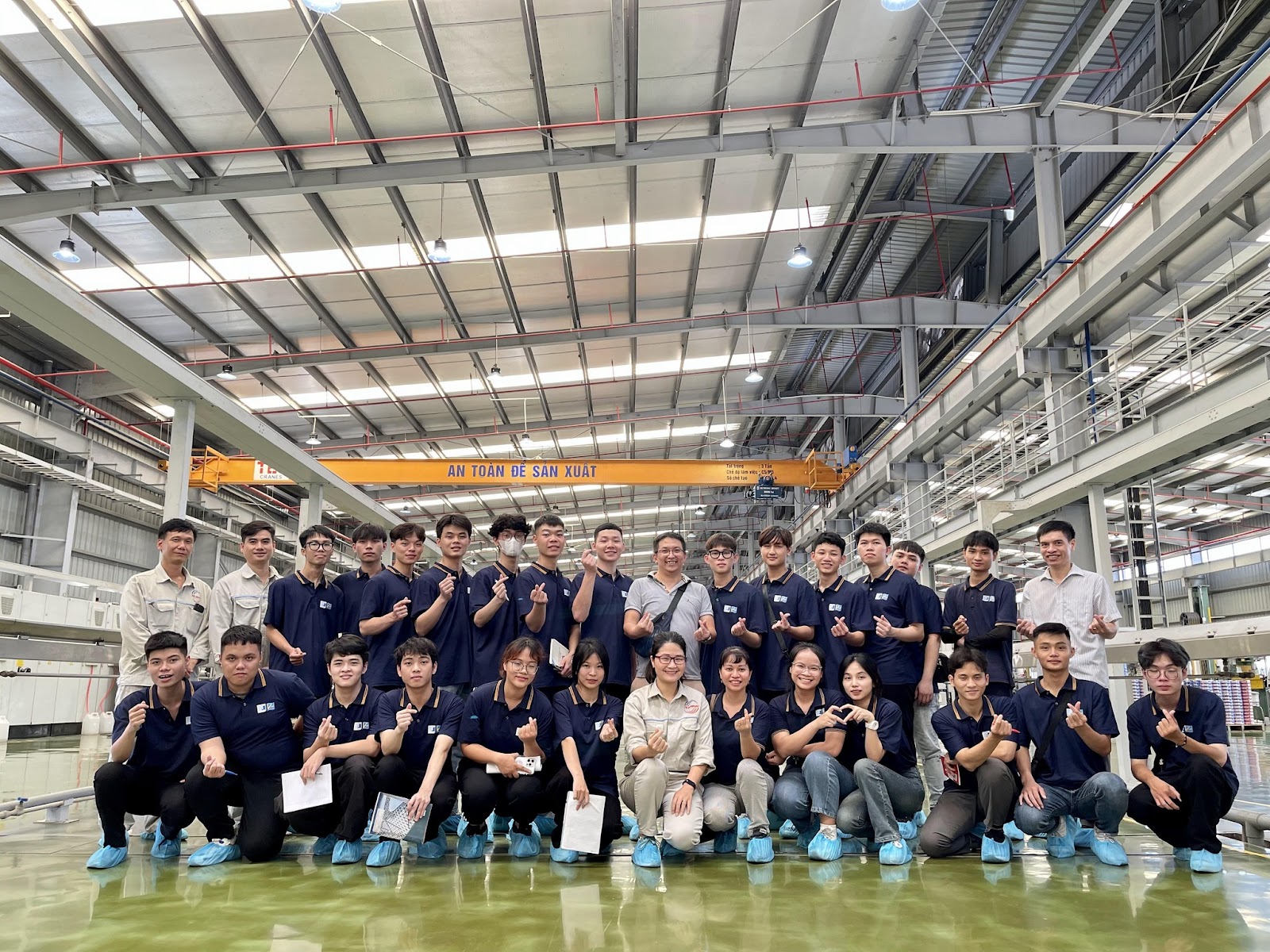
After graduation, students can pursue careers such as: factory management, production process planning and improvement, quality control, and production optimization. They can also take on project management roles involving planning, budgeting, resource coordination, and product improvement, or manage logistics and supply chains to process orders, analyze transportation operations, manage supply chains, and coordinate import and export activities at warehouses and supplier businesses.
The training orientation emphasizes a close connection between theory and business practice.
Leveraging its strengths in extensive experience in teaching Logistics and Supply Chain Management, engineering, and industrial production technology, along with a wide network of cooperation with industrial manufacturing enterprises such as Viglacera Corporation , AJ Total Vietnam Co., Ltd. , Asia-America Industrial Group, Tan A Dai Thanh Group, etc. , Hanoi University of Civil Engineering is implementing the Industrial Logistics training program (major code 7510605-02; training duration 3.5 years) with a focus on practical knowledge, aiming to help students gain hands-on experience during their studies so they can effectively meet job requirements after graduation.
In addition to the Industrial Logistics major's curriculum at Hanoi University of Civil Engineering, which is designed with in-depth theoretical modules tailored to the specifics of the industrial sector, off-campus learning models – learning outside the classroom through workshops, business seminars, early internships, and applied projects – will also be applied to develop students' "learning by doing" skills during their training.
In 2025, Hanoi University of Civil Engineering will recruit 50 students for its Industrial Logistics major.
The university applies four diverse admission methods, opening up many opportunities for candidates to conveniently register for this promising major, including: Admission based on high school graduation exam results; Admission based on academic transcripts combined with international foreign language certificates; Admission based on the results of aptitude tests organized by higher education institutions such as TSA, SPHN, V-SAT, etc.; Direct admission according to the regulations of the Ministry of Education and Training and Hanoi University of Civil Engineering.
Admissions Information Related
- INFORMATION ON ADMISSION TO REGULAR UNIVERSITY PROGRAMS IN 2025
- INFORMATION ON ADMISSION TO REGULAR UNIVERSITY PROGRAMS IN 2025
- INDUSTRIAL LOGISTICS
- BUILDING MATERIALS ENGINEERING TECHNOLOGY
- MATERIALS ENGINEERING
- THE DEPARTMENT OF BUILDING MATERIALS COLLABORATES CLOSELY WITH NUMEROUS UNIVERSITIES AND RESEARCH INSTITUTES AROUND THE WORLD.
- Announcement of regular university admissions for 2023
- UNIVERSITY ADMISSION PLAN FOR 2022
- ADMISSIONS FOR CIVIL ENGINEERING - HIGH-QUALITY SPECIALIZATION IN BUILDING MATERIALS
- Start your career in Materials Engineering.
- Announcement of admissions for the 2021 regular undergraduate program - University of Civil Engineering
- Additional Admissions for 100 Seats in Civil Engineering Materials
- A trend in vocational training in construction and sustainable development.
- Materials Engineering – A "hot" field of study favored by tech-savvy young people.
- ADMISSIONS FOR THE CONSTRUCTION MATERIALS ENGINEERING TECHNOLOGY PROGRAM IN 2021
- INTRODUCTION TO MATERIALS ENGINEERING IN 2022