Throughout its establishment and development, alongside teaching, the Faculty of Building Materials has consistently promoted scientific research and technology transfer with the following orientations:
1- Integrating with training to cultivate high-quality human resources;
2- Creating high-quality scientific research and technology transfer products to serve socio-economic development;
3- Aiming for international integration.
Despite the limited facilities and equipment for research at the University and Faculty, the Faculty of Building Materials can be said to be one of the most active scientific research faculties at the University of Civil Engineering. Faculty members have conducted numerous research projects at various levels: from the University, Provincial, Ministry to National levels, and many scientific works have been published in domestic and international scientific journals and anthologies. The major research directions of the Faculty of Building Materials focus on the following issues:
- Research aimed at improving the properties of various materials: binders, concrete, and construction ceramics;
- Researching new materials with special properties and technologies for manufacturing them;
- Research and develop equipment, and refine and control technologies for producing construction materials to improve material quality and process productivity;
- Research on utilizing waste materials and local resources to produce construction materials aims to minimize environmental pollution, save energy, conserve mineral resources, and achieve high economic, social, and technical efficiency…
Research topics conducted by scientists in the Faculty are not only theoretical but also closely aligned with practical requirements, combining research to serve training and the construction industry. Many research and application topics have been integrated into the content of master's theses and doctoral dissertations. The Faculty of Building Materials has collaborated with many experts inside and outside the university to participate in research and application development. In particular, the Faculty closely cooperates with the Center for Research and Application of Tropical Building Materials (now the Institute for Research and Application of Tropical Building Materials) to carry out many contracts for research, investment consulting, feasibility studies for building materials manufacturing plants, design, construction, supervision, and technology transfer for building materials production.
Currently, the Faculty of Building Materials is focusing on collaboration and building strong interdisciplinary and international research groups to address issues in the major scientific and technological orientations of the State and ministries, as well as pressing practical issues in the construction sector, such as: non-fired bricks, the use of thermal power plant fly ash and other waste materials in the production of building materials, materials for marine and island construction, green materials; radiation-shielding concrete, high-quality and ultra-high-quality concrete… Faculty members in the Faculty of Building Materials have been and are participating in important international cooperation projects, linking with advanced countries such as Japan, Germany, and the United Kingdom…:
- The SATREPS international cooperation project between the University of Construction and Saitama University, Japan, “Establishment of Environmentally Sound Management of Construction and Demolition Waste and Its Wise Utilization for Environmental Pollution Control and for New Recycled Construction Materials”.
- The CAMaRSEC international cooperation project between the University of Civil Engineering, Ton Duc Thang University, the Institute of Building Materials, and the College of Urban Construction with partners from the Federal Republic of Germany: Stuttgart University, Hamburg University, and the Fraunhofer Institute of Building Physics - Climate-adapted Material Research for the Socio-economic Context in Vietnam, CAMaRSEC project, NUCE (Vietnam), Stuttgart University, Hamburg University, Institute of Building Physics - Fraunhofer (Germany)
- The JSPS Core-to-Core international cooperation project between Japanese, Vietnamese, Thai, and Sri Lankan partners: “Collaborative research network on standardization of design and construction for hot weather concreting based on Asian climate and materials”
With the aim of enhancing research quality and gradually integrating international standards, the number of articles by faculty members of the Faculty of Building Materials published in prestigious international journals and conferences has been steadily increasing. In particular, in the first seven months of 2020, faculty members... The Faculty has published 27 articles in international journals and conferences listed in the ISI/Scopus database, leading all faculties in the University of Civil Engineering. Here
are some images showcasing scientific research and technology transfer activities:
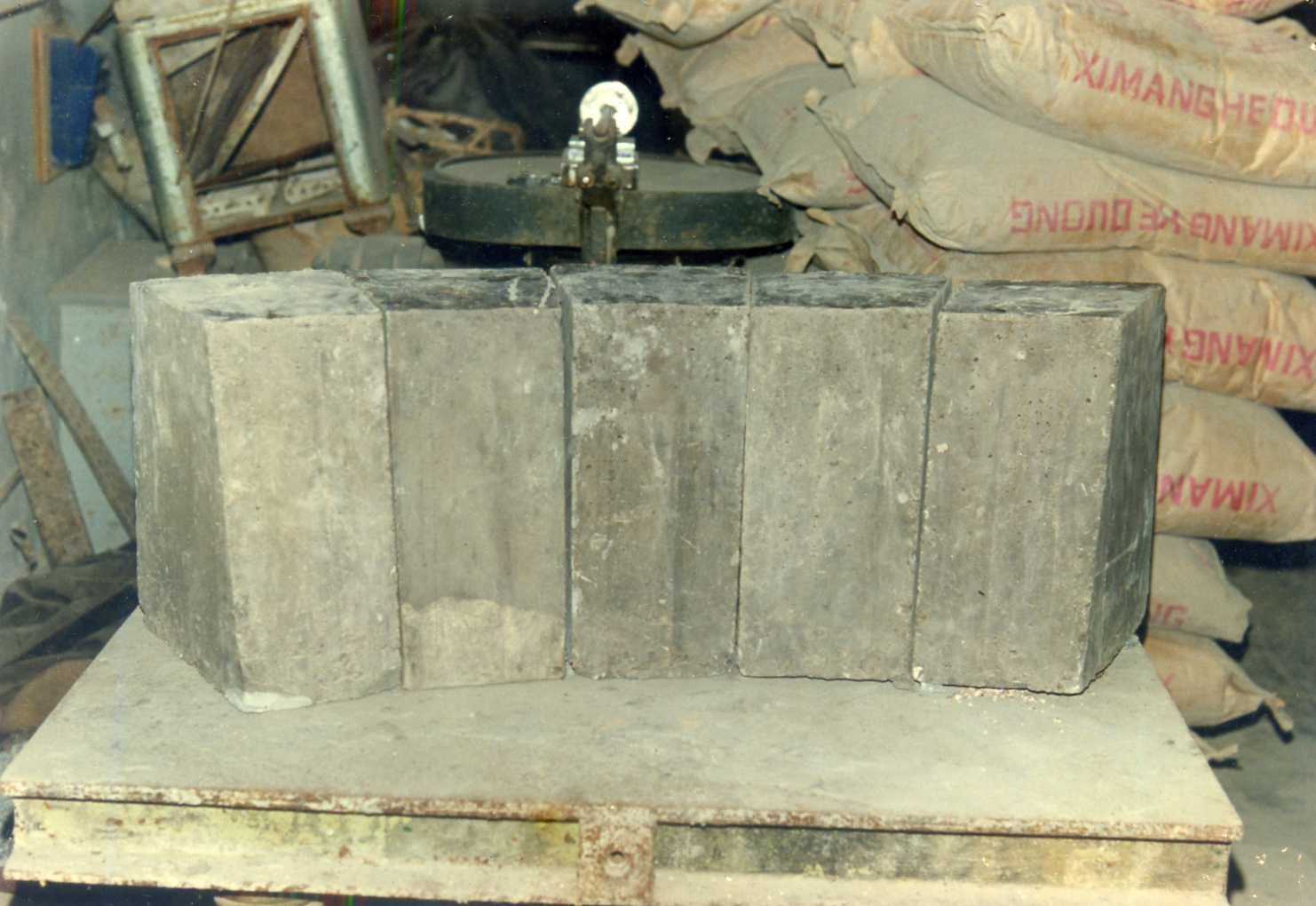 Heat-resistant concrete was used at the He Duong Cement Plant, 1990-1991.
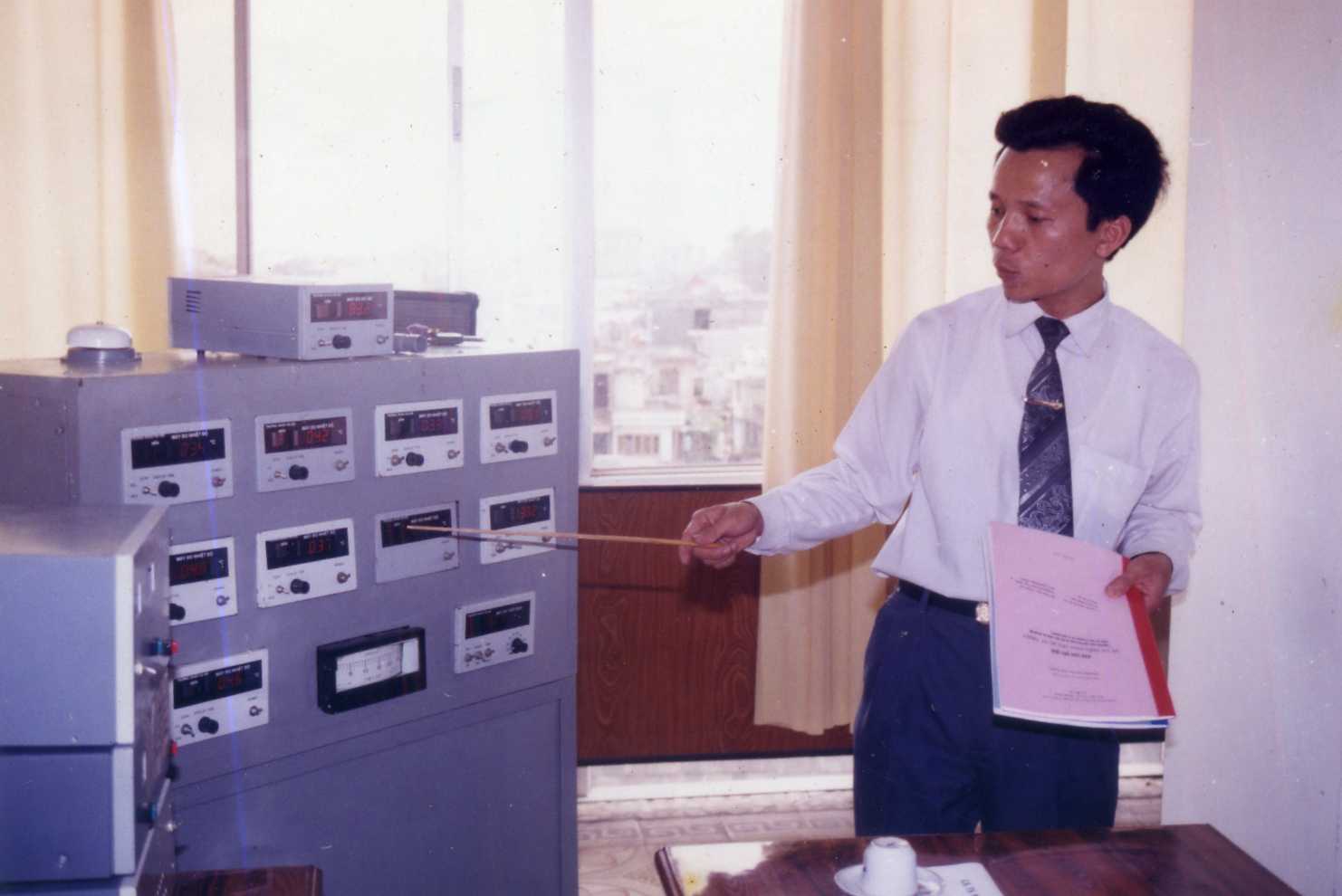
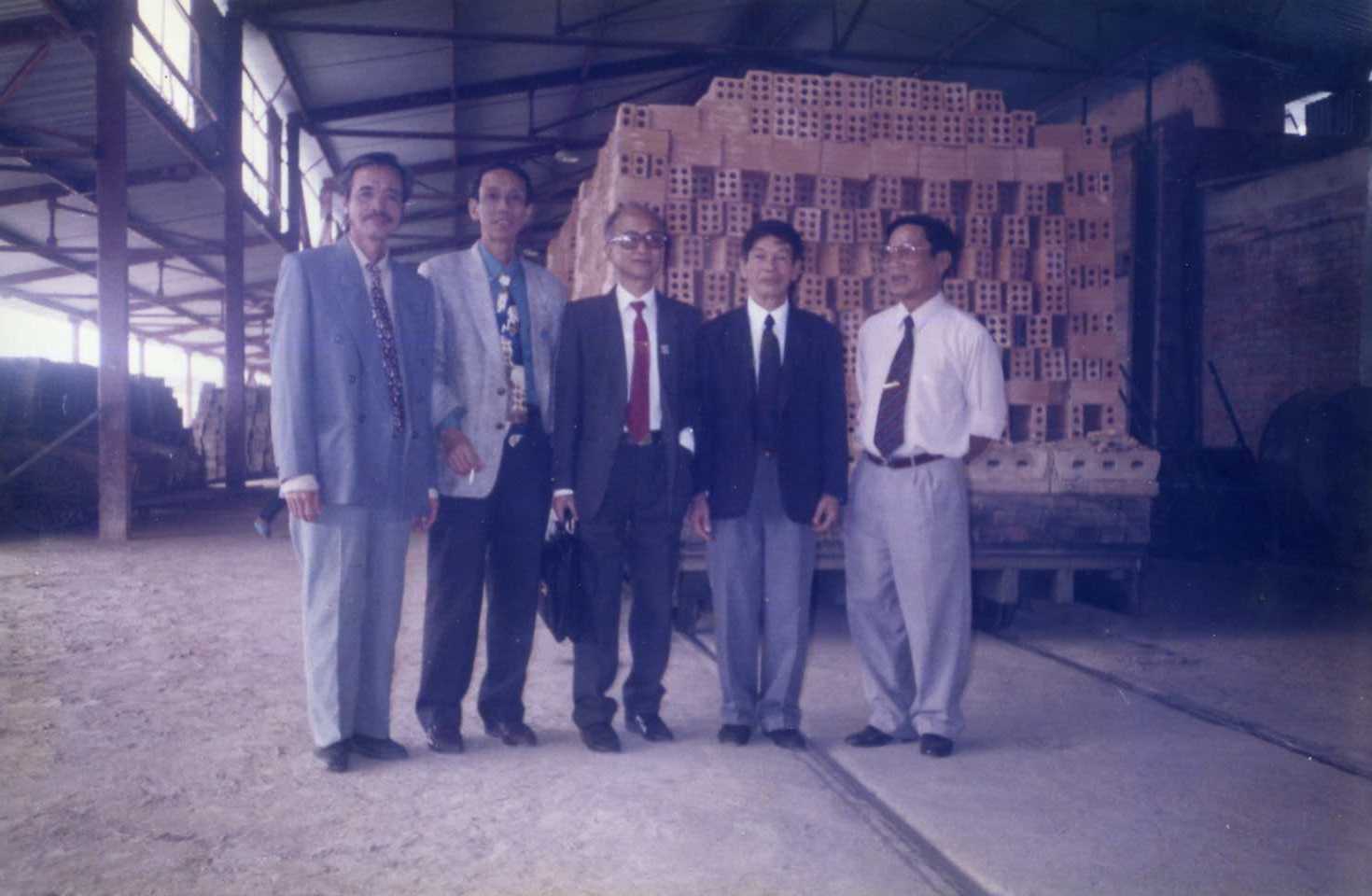
Automatic or semi-automatic heat treatment control equipment - a product under Decree 34-95/KHCN-DA - was applied in 36 tunnel brick factories, 1994-1998.
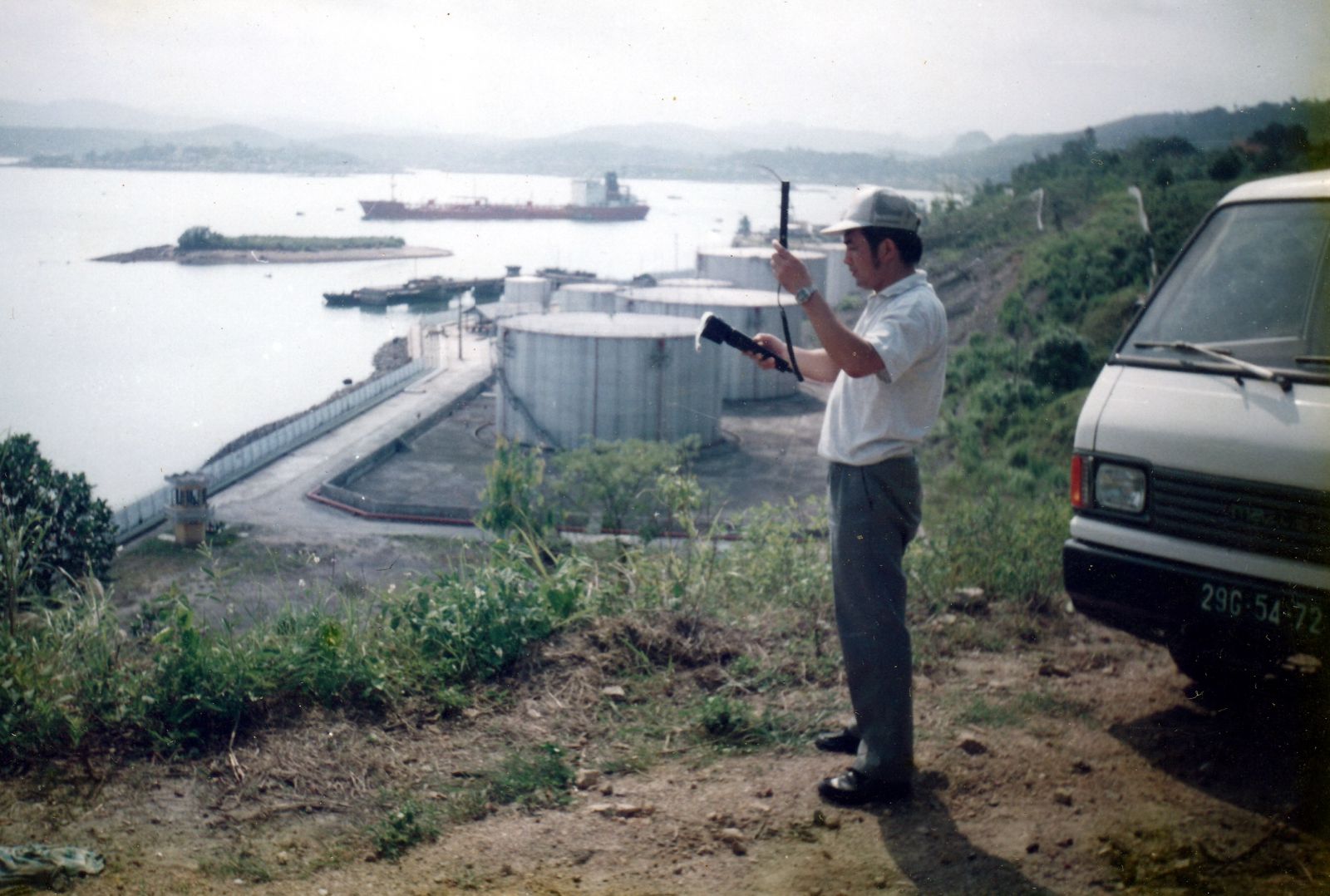
The Ministry of Natural Resources and Environment's research project on monitoring and analyzing the inland environment, from 1995 to the present.
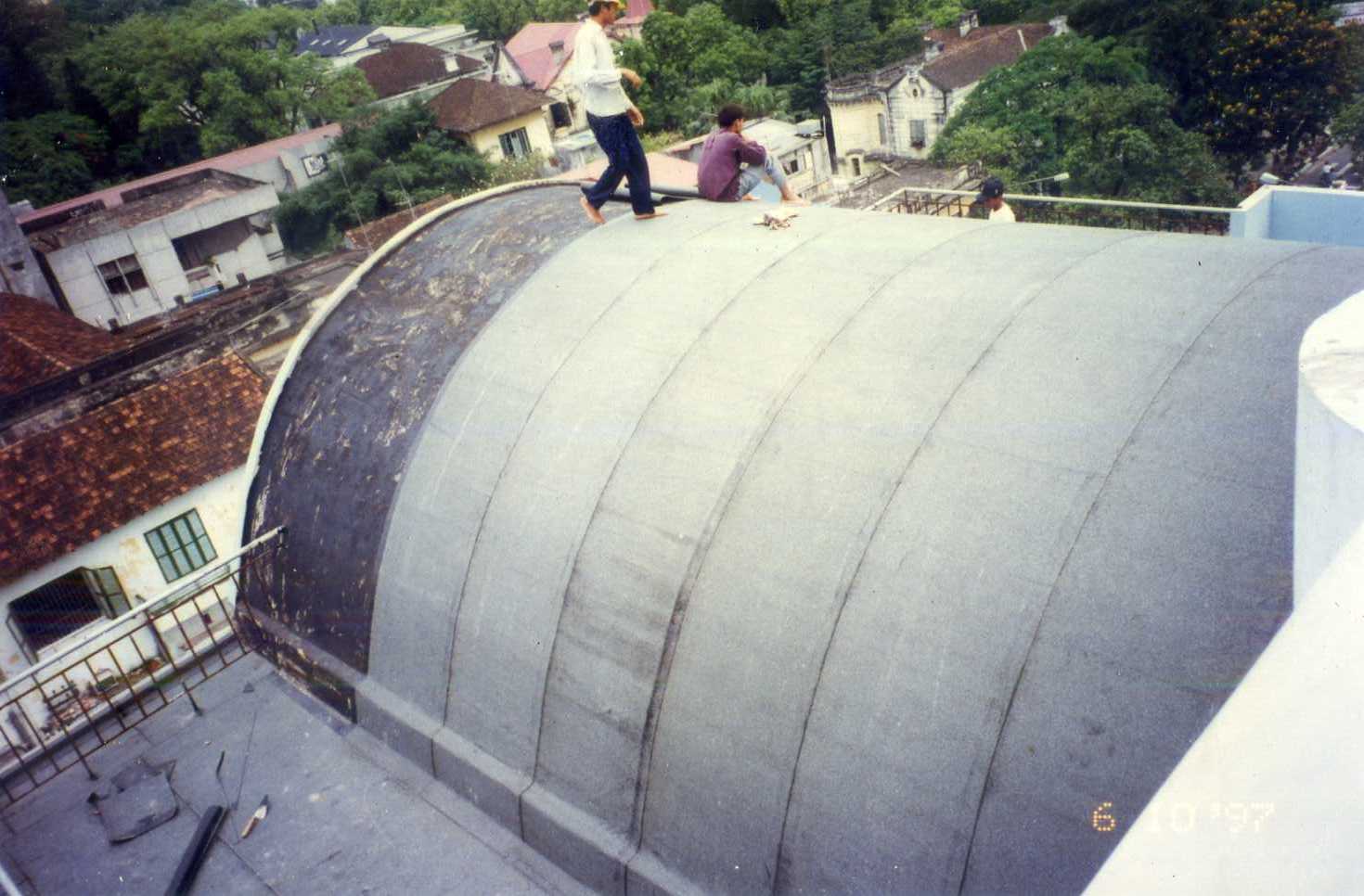
Roof waterproofing using flexible bonding membrane for the Capital Lottery Company, 1997
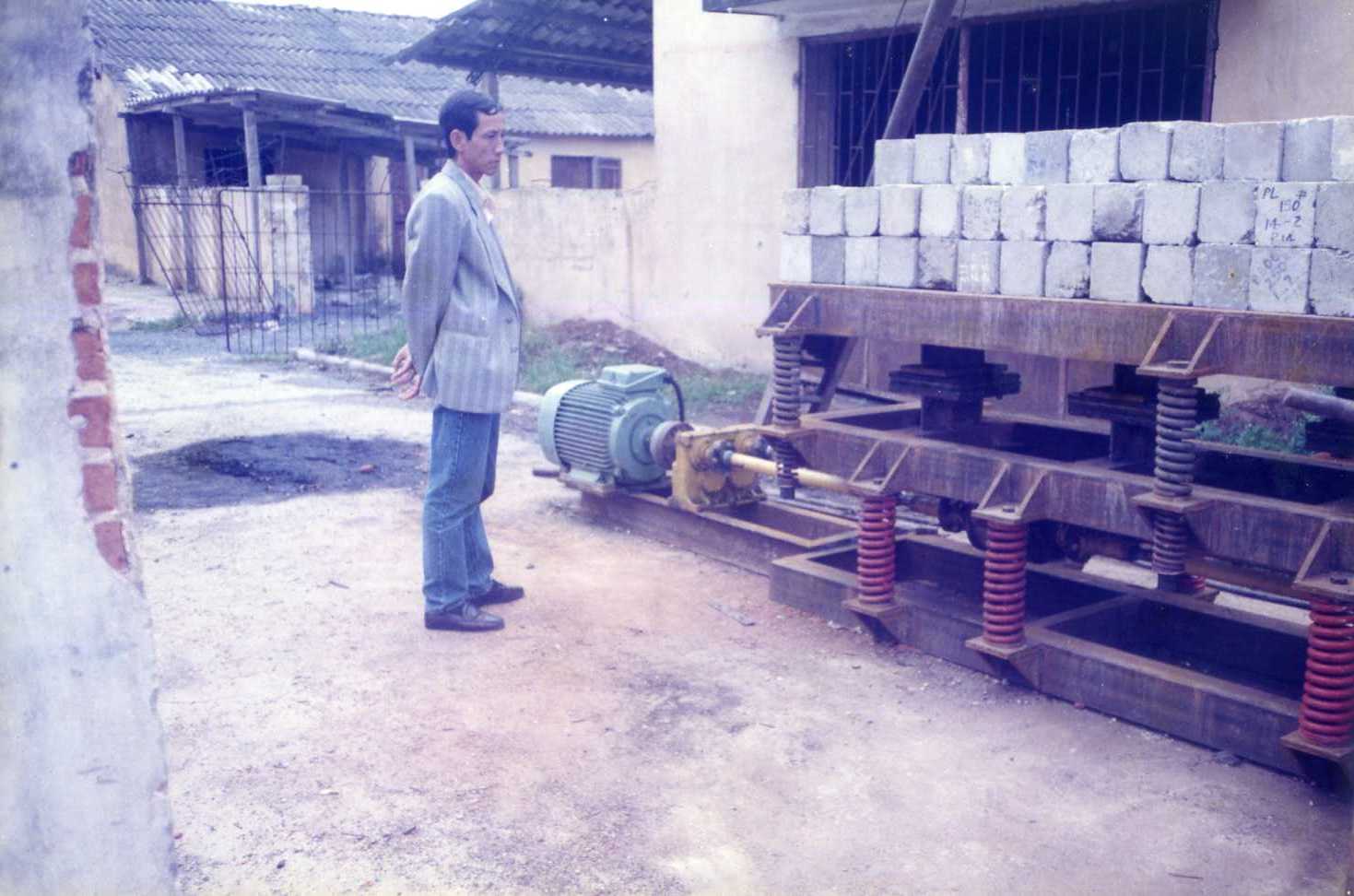
Technology transfer for coating oil pipeline steel pipes with heavy-duty concrete - installed on numerous oil pipelines at the Bach Ho oil field, 2000-2002
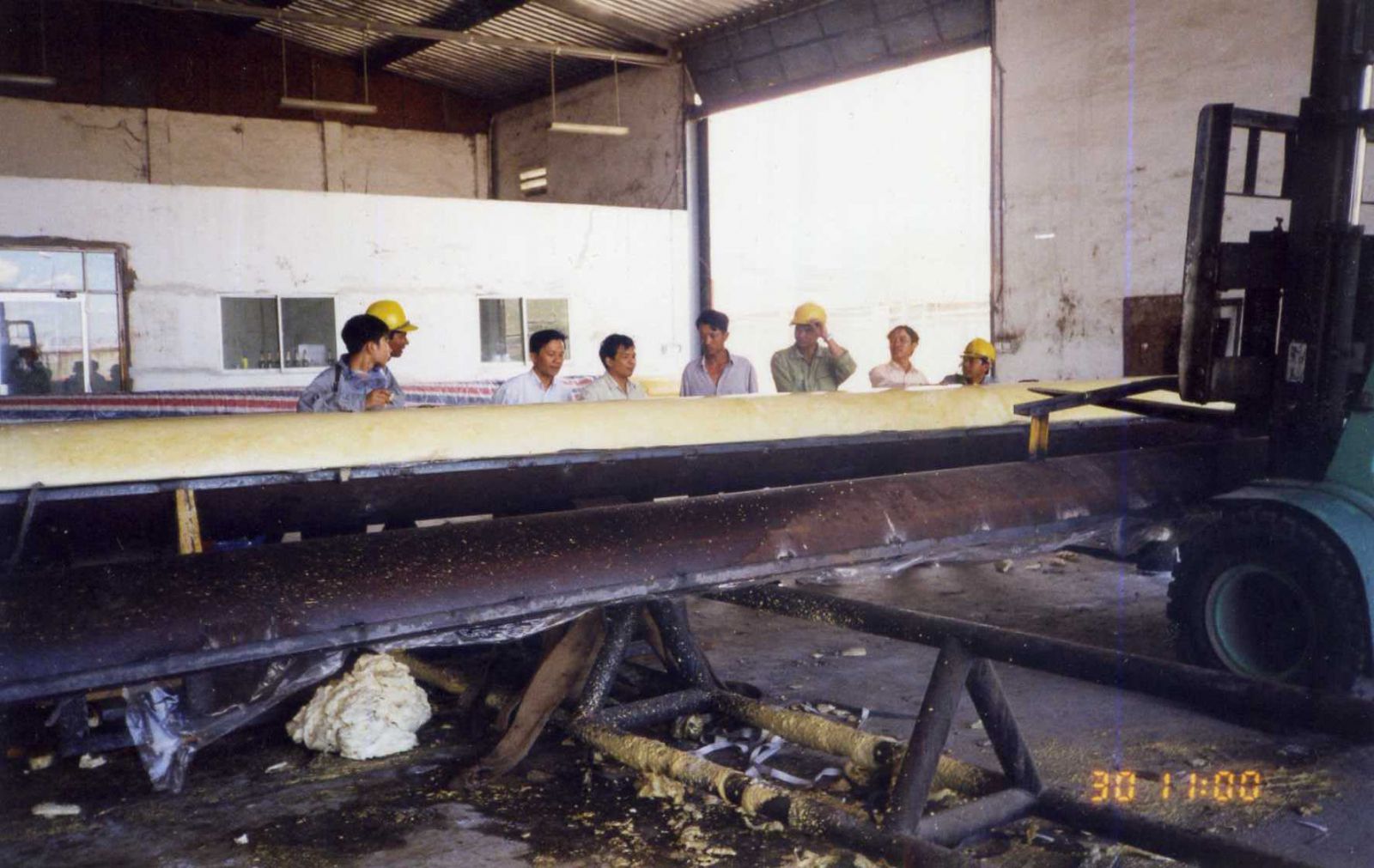
Application of Polyurethane insulation technology for oil pipelines - Applied to the crude oil pipelines of Vietsovpetro Joint Venture, 2000-2002
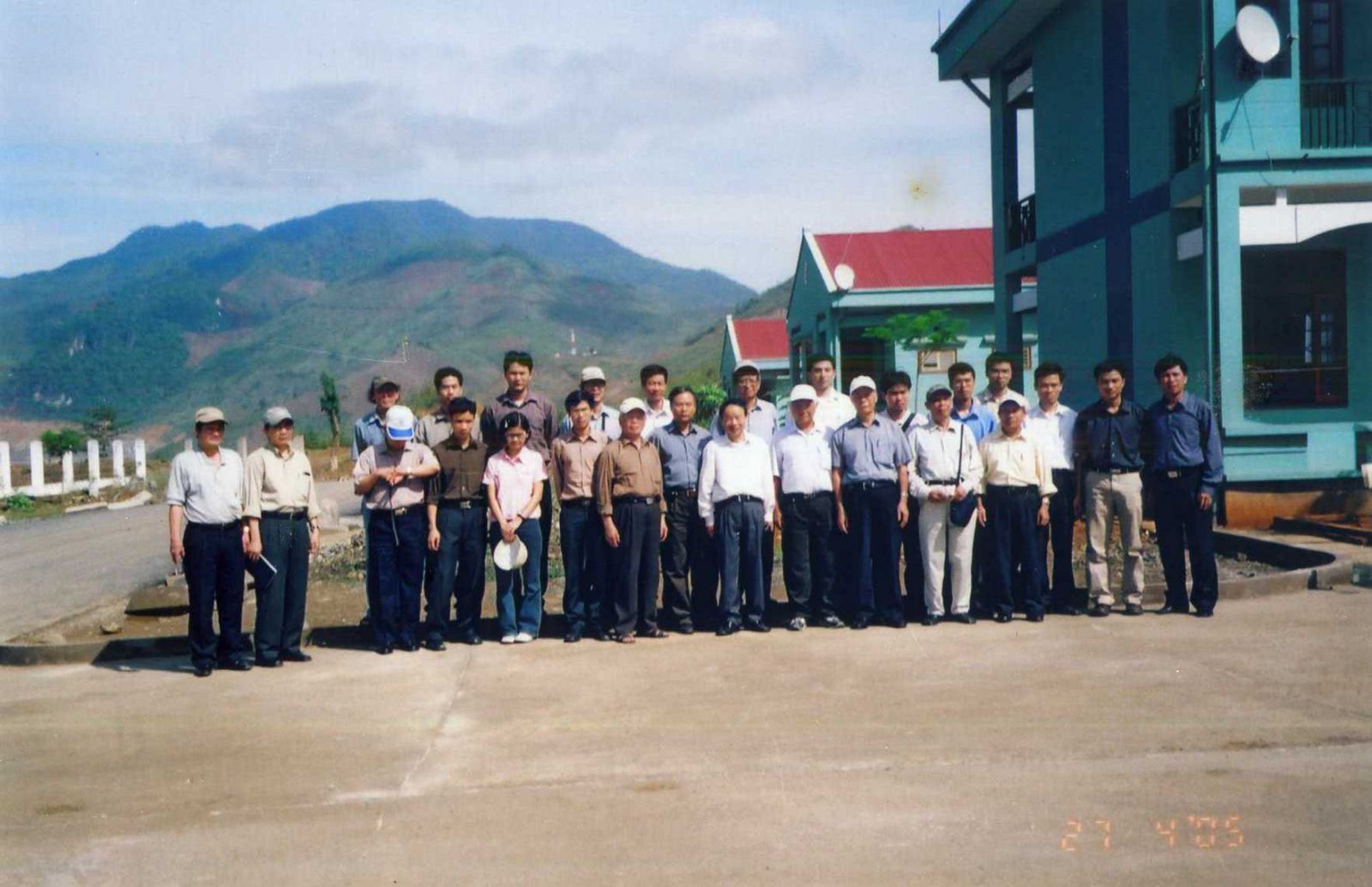
Participated in advising on the application of roller-compacted concrete for dam bodies and joined the State Expert Team inspecting the Son La Hydropower Plant.
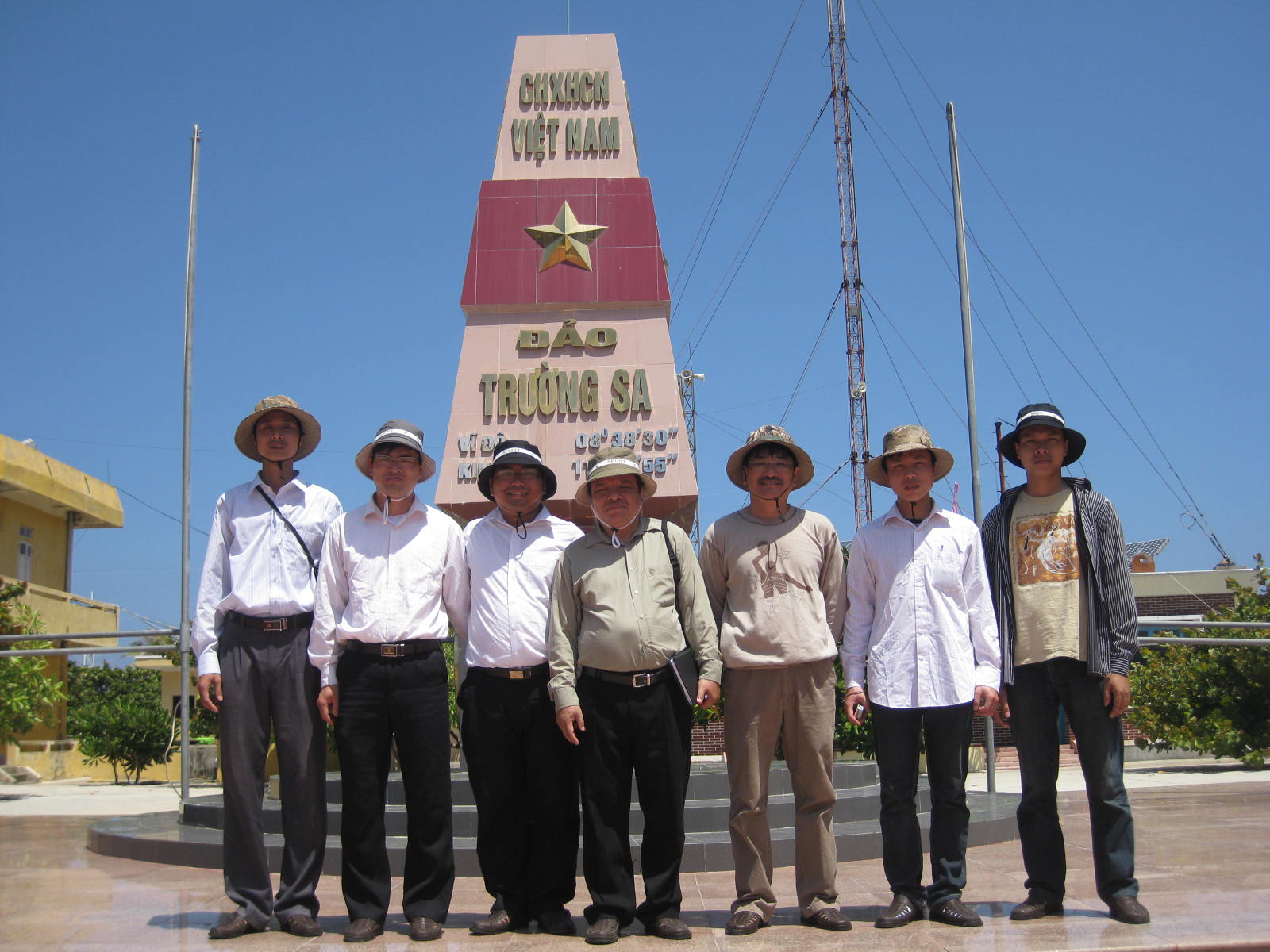
In cooperation with the Ministry of National Defence, we participated in the survey of Truong Sa Island as part of Project DTB 11.4.
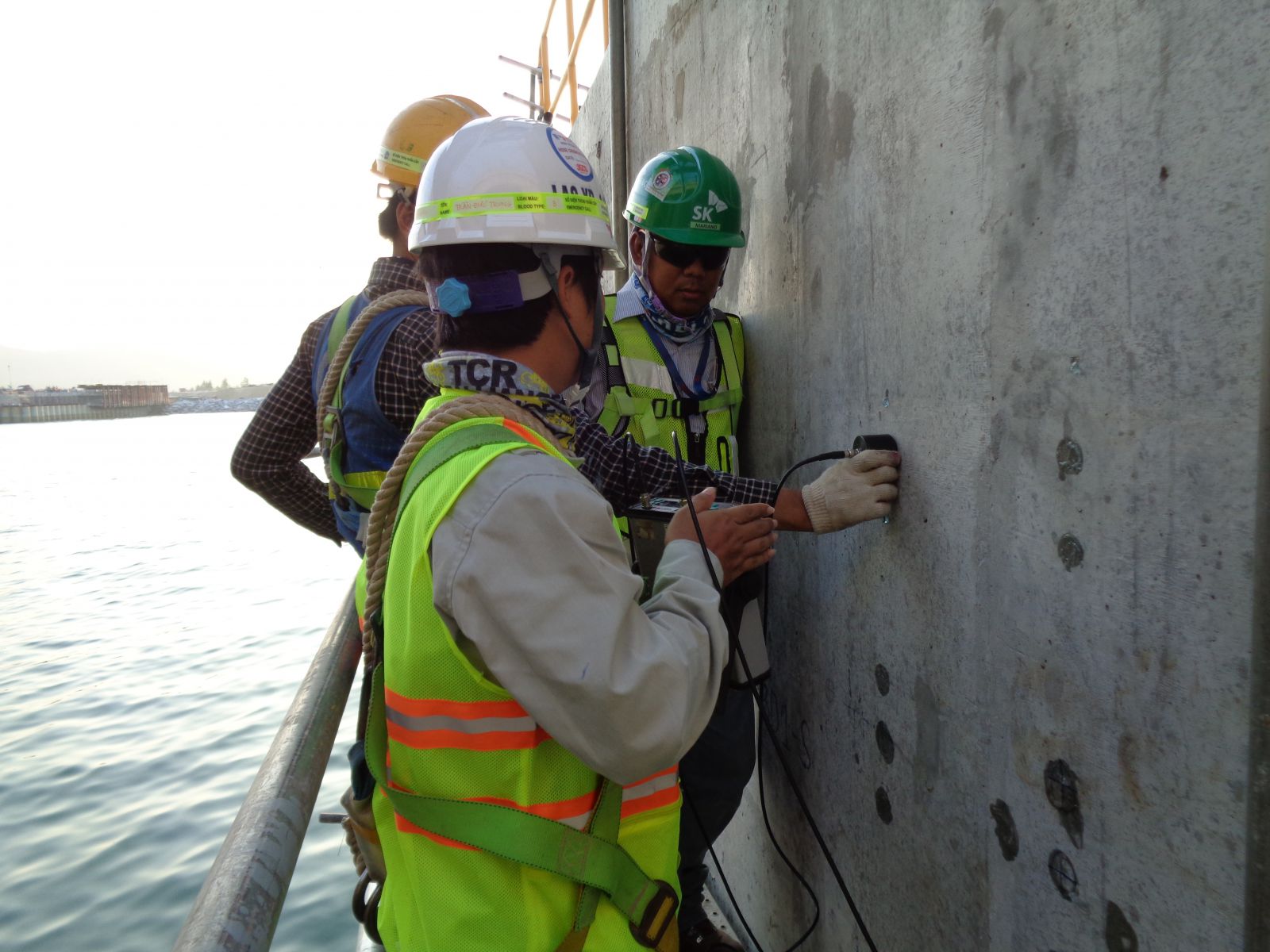
Survey of the current condition and quality inspection of reinforced concrete structures, proposing solutions to remedy defects in the LP beam system of berths 2A/2B/3, package B2, Nghi Son Refinery and Petrochemical Plant project, 2015.
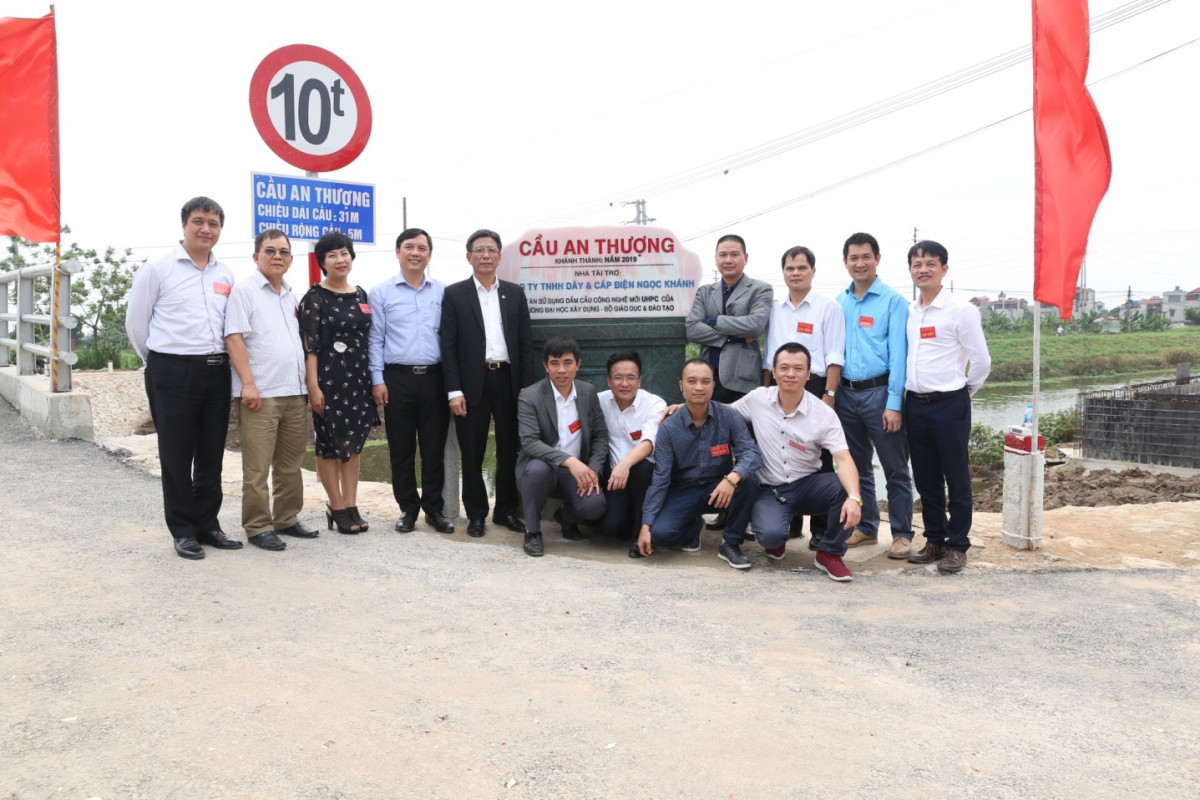
Research on the application of ultra-high-performance concrete in the construction of small and medium-sized bridges, 2019