Regarding training:
- Maintain and continuously improve the quality of training; regularly update and refine training programs to align with the standards of developed countries, closely linking training content with practical production and societal needs.
- Implement quality accreditation of training programs by reputable domestic and international organizations: achieve accreditation of the Construction Materials Engineering Technology program in 2026, and accreditation of the Materials Engineering program in 2028; ensure that the employment rate of students in their trained field within one year after graduation is over 75%.
- Strengthening connections with businesses and universities both domestically and internationally aims to diversify training types and methods (joint training, franchising, customized training, on-the-job training, etc.), meeting societal needs and leveraging the strengths of all stakeholders.
- Expanding training programs from undergraduate to postgraduate and doctoral levels; developing new training disciplines based on the Faculty's strengths such as: Advanced and Functional Materials, Semiconductor Materials, Production and Industrial Management, Circular Economy and Low-Emission Materials Production.
Regarding scientific research and technology transfer, and consulting services:
- Maintain and develop strong research groups; promote the development and proposal of ministerial-level and national-level research topics and projects, as well as domestic and international cooperation projects, with a pioneering orientation in the fields of Materials Engineering, new building materials, solid waste reuse, and emission reduction in materials production.
- Upgrading and modernizing facilities and laboratory equipment for training and research through domestic and international resources, as well as from science and technology projects and research topics.
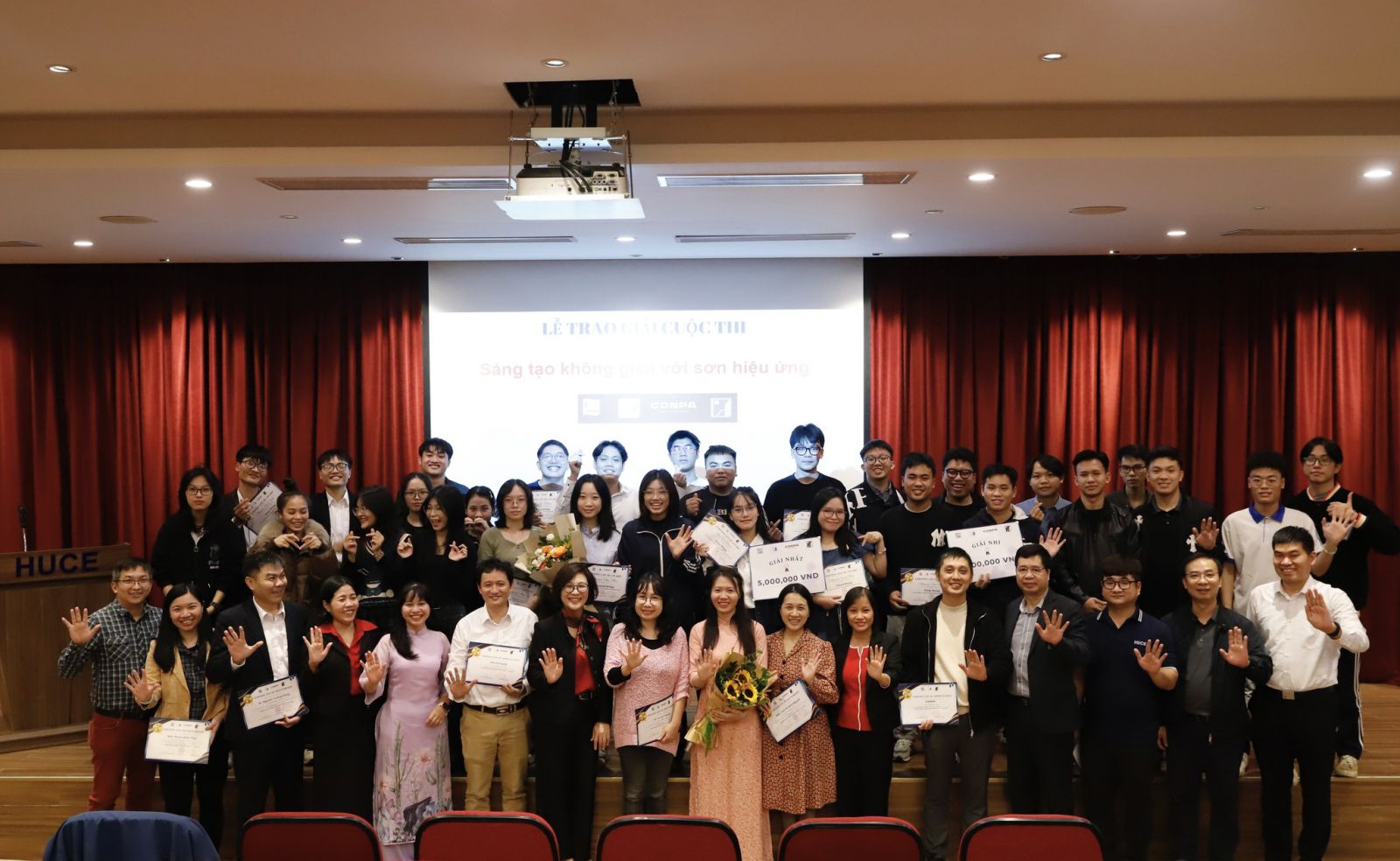
- Maintain and expand the student scientific research movement in both quantity and quality: the percentage of students participating in scientific research should exceed 10%; organize and encourage students to participate in scientific research, innovation, and entrepreneurship competitions to enhance their knowledge, skills, and passion for the profession: participate in or lead one competition per year.
- Working closely with the Institute for Research and Application of Tropical Building Materials, aiming towards an effective science and technology enterprise model to promote consulting activities, technology transfer, development of applied products, and entrepreneurship among staff and students.
- Maintain and promote scientific publications in prestigious domestic and international journals; strengthen joint publications with partners and organizations, and participate in domestic and international conferences to enhance the Faculty's international standing and cooperation capacity: the average number of scientific and technological publications per full-time lecturer should not be less than 0.6 articles/year, of which the number of articles listed in the Web of Science or Scopus databases should not be less than 0.3 articles/year.
Regarding human resource development:
- Emphasis is placed on recruiting and training a team of highly qualified faculty and staff with strong professional skills and a professional demeanor, in line with the scale and development orientation of the Faculty: by 2035, there will be over 10 Professors and Associate Professors, and the percentage of faculty members with doctoral degrees will exceed 75%.
- Regularly organize intensive, practical training and workshops to enhance the knowledge, skills, professional expertise, and research and teaching capabilities of the staff and lecturers.
Regarding domestic and international cooperation:
- Developing and expanding cooperation with domestic and foreign businesses to seek support resources, diversify training and scientific research activities, and implement the "Manager - Scientist - Business" linkage model, contributing to the rapid transfer of research results into practical production.
- Proactively and actively expand cooperation with domestic and international training institutions and research institutes to improve the quality of training, research capacity, and scientific publications through joint training programs, collaborative research projects, and academic conferences.