INTRODUCTION TO THE DEPARTMENT OF BUILDING MATERIALS

1. BRIEF HISTORY

1.1. The predecessors of the Construction Materials Industry

Training in the field of Construction Materials began in 1956. At that time, the subject of Construction Materials was taught by the Department of Fundamentals, along with other subjects such as Strength of Materials, Surveying, Soil Mechanics, etc. The first lecturer to teach Construction Materials was Engineer Le Do Chuong, an engineer trained in China. He directly taught Construction Materials to students in Civil and Industrial Construction, Bridge and Road Engineering, and Irrigation Engineering, etc., at the Faculty of Construction – Hanoi University of Technology. Engineer Le Do Chuong, along with a number of mid-level staff and technical workers who served as instructors, laid the first foundations for the formation and development of the Construction Materials industry.

In 1957, the Department of Building Materials was officially established, headed by Engineer Le Do Chuong. During the period 1960–1962, the department was supplemented with several young engineers, including  Engineer Do Thuc Tuan,  Engineer Hoang Phu Lan – from the 3rd cohort of Civil and Industrial Construction,  and Engineer Nguyen Tan Quy – from the 3rd cohort of Hydraulic and Hydroelectric Construction,  all from the Faculty of Construction, Hanoi University of Technology.

In the 1960s, in order to prepare a technical workforce for the post-war reconstruction of the country and the construction of the material foundations of socialism, the Party and State advocated expanding training and separating the Faculty of Construction from Hanoi University of Technology to establish the University of Construction. In this context, Engineer Bui Van Boi was assigned the task of drafting the outline for the establishment of the Building Materials Science major, marking an important preparatory step for the birth of a specialized and independent training program.
In 1962, the Building Materials Laboratory was built with the support of Soviet experts, contributing to the completion of the material facilities and research and training foundation of the major.

1.2. Periods of construction and development of the Faculty of Building Materials

On August 8, 1966, the Government Council issued Decision No. 144/CP establishing the University of Construction, marking a significant turning point in the formation and development of the construction materials industry.

a. Period under the Faculty of Civil Engineering (1966-1971)

When the University of Civil Engineering was established, the Department of Building Materials was under the Faculty of Civil Engineering, located in the evacuation area of ​​Tieu Than Village, Gia Luong District, Ha Bac Province. By September 1966, the Building Materials sector was organized into two departments:

  • Department of General Building Materials, Head of Department: Engineer Le Do Chuong.

    The teaching staff includes: Engineer Le Do Chuong, Engineer Phan Xuan Hoang, Engineer Phan Khac Tri, Engineer Phung Van Lu, Engineer Bui Sy Thanh, Engineer Nguyen Van Luong,… and laboratory staff: Nguyen Thi Loc, Mai Thi Nhong, Nguyen Van Duong,…

  • Department of Building Materials, Head of Department: Engineer Do Thuc Tuan.

    The team includes Engineers Do Thuc Tuan, Hoang Phu Lan, Nguyen Tan Quy, Mai Sy Tuan, Nguyen Kim Huan, Bui Van Boi, Nguyen Van Phieu, La Pham Hoang, and others.

After some time, the two disciplines were renamed:

  • Department of Building Materials

  • Department of Building Materials Technology

In 1966, the first cohort of university students majoring in Building Materials was admitted with 30 students (Cohort 11 of the School).

During the period 1970–1971, the School built a new facility in Huong Canh (Vinh Phu). The historic flood of 1971 severely flooded the departments in Gia Luong, forcing the School to accelerate the relocation to Huong Canh. A building materials workshop was established, headed by Engineer Hoang Phu Lan, to serve the construction work.

b. The period of the Faculty of Building Materials - Sanitary Engineering (1971-1986)

Due to the need to expand training in the fields of building materials, water supply and drainage, and ventilation and heating, in 1971, the Ministry of Higher Education and Vocational Training approved the establishment of the Faculty of Building Materials and Sanitary Engineering, based on a separation from the Faculty of Construction.  Engineer Le Do Chuong was appointed Head of the Faculty (1971–1974).

On October 27, 1975, the Prime Minister issued Decision No. 426/TTg allowing the University of Civil Engineering to relocate from Huong Canh to Hanoi.

In 1982, the University established the Building Materials Research Laboratory (Building C3 – Hanoi University of Technology), headed by Assoc. Prof. Dr. Hoang Phu Lan (1982–1999), serving scientific research and as a basis for implementing the VH21 project with the Netherlands. At that time, the Building Materials Laboratory – belonging to the Building Materials Department – ​​serving the training of students and the Laboratory belonging to the Building Materials Technology Department were both located in the Huong Canh evacuation area, Vinh Phu. In 1984, when the university moved back to Hanoi, the Building Materials Laboratory was moved to the Dong Tam area.

During the period 1983–1986, when the School returned to Hanoi, the Faculty was located in the Phuc Xa area, Ba Dinh district, and comprised 6 departments:
 

  • 3 Specialized Departments:

  1. Building Materials Technology – Head of Department: Dr. Nguyen Tan Quy
  2. Water Supply and Drainage – Department Head: Engineer Ngo Van Suc
  3. Ventilation – Heating – Department Head: Dr. Tran Ngoc Chan
  • 2. Basic subject areas:
  1. Building Materials - Head of Department: Dr. Phung Van Lu
  2. Thermal Engineering – Department Head: Eng. Phan Đình Hổ
  • 1. Basic subjects:
  1. Chemistry – Head of Department: Eng. Le Sy Phong

c.  Period of the Faculty of Building Materials - Environmental Engineering (1986-1988)

On April 17, 1986, Vice Chairman of the Council of Ministers Do Muoi signed Decision No. 100/CT approving the construction of a new school facility in Dong Tam, Hai Ba Trung District, Hanoi. After more than 10 years of moving through four locations (Co Nhue, Phuc Xa, Bach Khoa, and Dong Tam), the school was finally established in Dong Tam.

During the period 1986–1987, the Department of Building Materials and Sanitary Engineering was renamed the Department of Building Materials and Environmental Engineering, comprising:

  • Department of Building Materials Technology

  • Department of Water Supply and Drainage

  • Department of Building Microclimate (new name for the Department of Ventilation and Heating)

  • Department of Building Materials

  • Department of Thermal Engineering

  • Department of Chemistry

  • Building Materials Research Department

d.  The period of the Department of Building Materials (1988 - present)

In the 1988–1989 academic year, the Faculty of Building Materials was established by separating it from the Faculty of Building Materials and Environmental Engineering.  The first Head of Faculty was Associate Professor, Engineer Nguyen Huu Thi.

In 1989, the Center for Research and Application of Tropical Building Materials (NC&UDVLXDNĐ) was established by Decision No. 957/QD-TCCB dated August 14, 1989, of the Minister of Higher Education and Vocational Training (now the Ministry of Education and Training). Assoc. Prof. Dr. Bui Van Boi was appointed Director of the Center (1989 - 1999), and also Head of the Department of Building Materials (1989 - 1997). The Center for Research and Application of Building Materials is a unit that collaborates with the Faculty in training, implementing scientific research projects at all levels by faculty members, executing design, construction and technology transfer contracts for building materials production, training and developing building materials laboratory technicians, and providing advanced training courses for engineers, technical staff, and management personnel of training institutions and building materials production facilities.

In 1992, the School established the Building Materials Experimental Workshop under the Department of Building Materials.

In 1997, according to Decision No. 132/TCXD, three units (Construction Materials Laboratory, Construction Materials Research Laboratory, and Construction Materials Experimental Workshop) were merged into the Construction Materials Laboratory and Research Laboratory, headed by Assoc. Prof. Dr. Hoang Phu Lan.

From then until 2025, the structure of the Faculty of Building Materials will include:

  • Department of Building Materials Technology

  • Department of Building Materials

  • Department of Chemistry

  • Building Materials Laboratory and Research

In 2000, the Building Materials Laboratory and Research Center was assigned the code LAS-XD115 by the Ministry of Construction according to Decision 188/QD-BXD.

In 2014, the Center for Research and Application of Tropical Building Materials was transformed into the Institute for Research and Application of Tropical Building Materials. The Institute operates autonomously under Decree 115/2005/ND-CP, but the core staff remains from the Faculty.

Starting from the 2020-2021 academic year, in addition to the Construction Materials Technology major, the Faculty began enrolling students in the Materials Engineering major.

Starting from the 2025-2026 academic year, the Faculty of Building Materials will begin enrolling students for the K70 Bachelor's program in Industrial Logistics, under the Logistics and Supply Chain Management major.

From August 2025, departments and laboratories will be reorganized into Specialized Groups (NCMs):

  • NCM Building Materials Technology

  • NCM Building Materials

  • NCM Chemistry

  • NCM Experiment and Research on Building Materials

Over more than 60 years of construction and development, including 17 years of evacuation and over 43 years since returning to Hanoi, the Faculty of Building Materials has overcome many difficulties and shortages, constantly having to move and rebuild its facilities. However, the faculty's staff, students, and trainees have always strived and united, making significant contributions to the development of Hanoi University of Civil Engineering in general and the Faculty of Building Materials in particular.

2. STAFF

From its humble beginnings at Hanoi University of Technology, the Faculty faced numerous difficulties and shortages, with a small staff consisting of only a few engineers from various fields assigned to teach the subject of Building Materials. Subsequently, the Faculty and the entire University had to evacuate to many locations during the war against the US, from Lung Vai - Lang Son, then Tieu Than - Gia Luong - Ha Bac, to Huong Canh - Binh Xuyen - Vinh Phu. Although many teachers and staff members were transferred due to their duties and assignments from the State, the Faculty of Building Materials has continuously received training and development, resulting in significant growth in both quantity and quality. The Faculty now boasts 3 Doctors of Science, 30 PhDs; 4 lecturers have been awarded the title of Professor, 19 lecturers have been awarded the title of Associate Professor, and 6 have been recognized as Outstanding Educators. Many highly qualified and competent staff members have been entrusted with leadership positions within the University and the Faculty.

By November 2025, out of a total of 38 current faculty members, 31 have postgraduate qualifications (accounting for 91.6%), including: 1 Professor, 7 Associate Professors, 14 PhDs, 9 Master's degrees; and 7 have undergraduate degrees. All 29 lecturers in the Faculty have postgraduate qualifications, including 21 lecturers with PhDs, accounting for 72.4%. The teaching staff of the Faculty of Building Materials are formally trained, with many lecturers from previous generations having received training from advanced countries such as the Soviet Union, the Russian Federation, the Netherlands, Germany, Japan, and Taiwan.

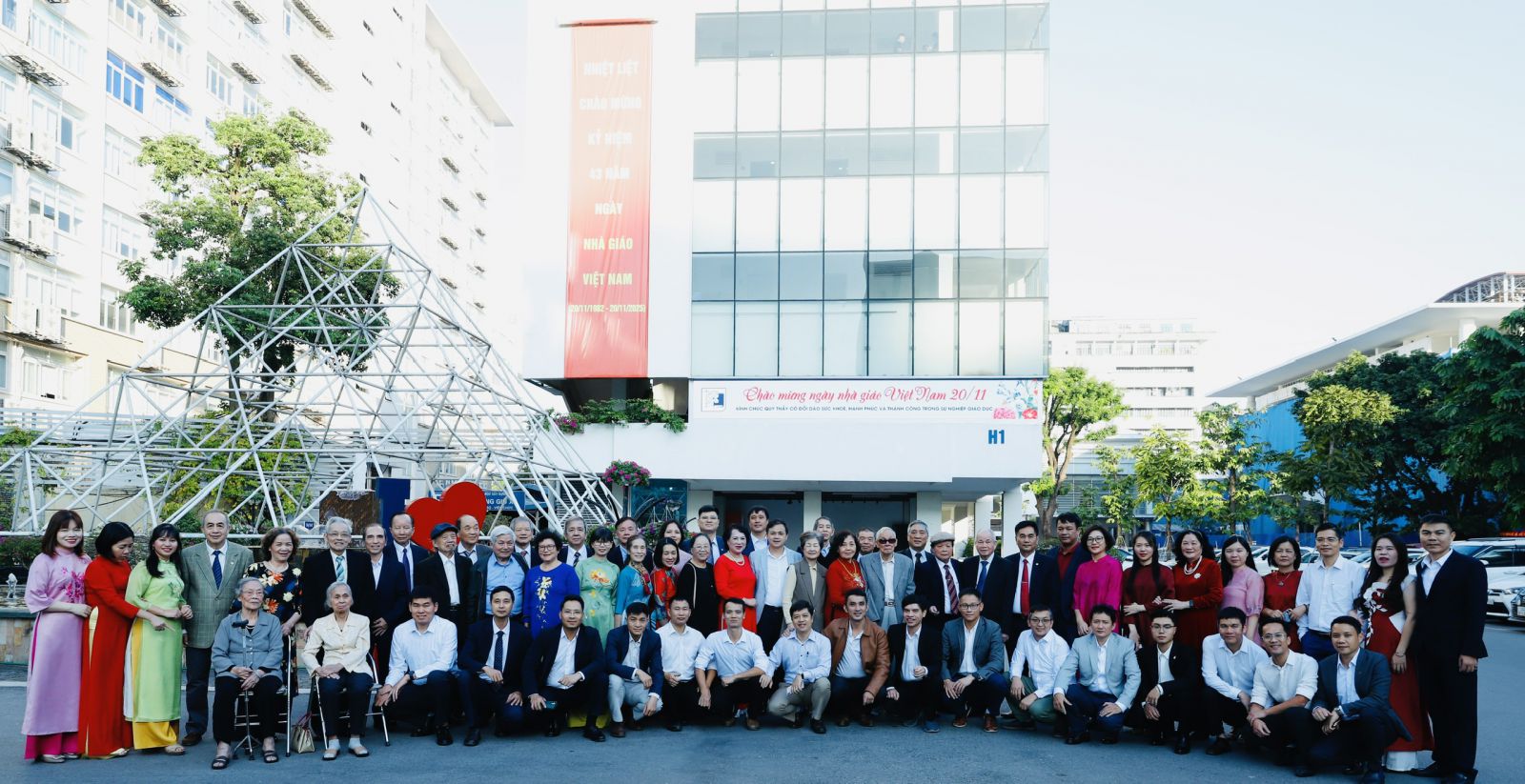
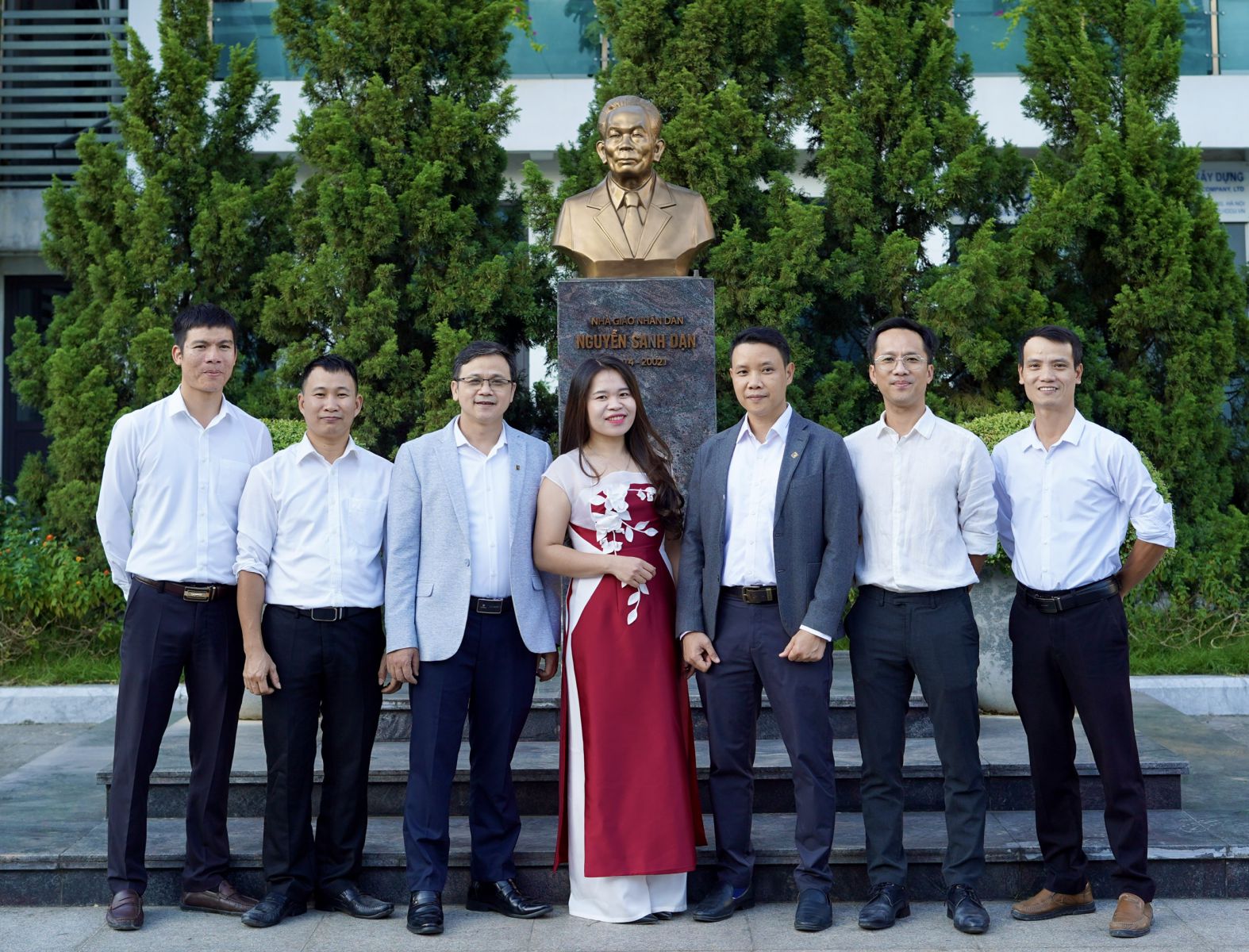
The entire faculty and staff of the Department

3. Training

The Faculty of Building Materials is proud to be the first institution in the country to train engineers in the field of Building Materials Technology. Over the past years, the Faculty has made significant progress in its training programs, as follows:

3.1. Fields of study and levels of education

a. University education

  • Since 1966, the university has continuously provided undergraduate training in Building Materials Technology.
  • Since 2017, the Building Materials specialization has been part of the Vietnam-France High-Quality Engineering Training Program (PFEIV).
  • Starting in 2020, enrollment began for the Materials Engineering program, which is structured using the CDIO approach.
  • Starting in 2025, enrollment will begin for the K70 Bachelor's program in Industrial Logistics, under the Logistics and Supply Chain Management major.

b. Postgraduate Training

In 1980, the Faculty of Building Materials began offering doctoral programs.
In 1998, the first postgraduate program in Materials Engineering was launched.
Since 2022, the postgraduate program in Materials Engineering has been authorized to offer two specializations: Building Materials and Advanced Materials.
Besides recruiting postgraduate students graduating from the Building Materials Technology program, the Faculty has expanded its recruitment to include graduates from various other university disciplines; simultaneously, it has broadened its cooperation with organizations that link training with practical applications, most notably its collaboration with Viglacera Corporation.

3.2. Types of training

Throughout its formation and development, the Faculty of Building Materials has offered the following training programs: full-time (playing the main role), part-time (working while studying), specialized training (enrollment ended in 1983), second degree program, and transfer program.

Over nearly 60 years of continuous development, the Faculty of Building Materials has trained approximately 3500 building materials engineers, including 50 engineers in the specialized training program, 145 engineers in the part-time study program; more than 200 masters and 20 doctoral graduates in Materials Engineering.

4. SCIENTIFIC RESEARCH AND TECHNOLOGY TRANSFER

The Faculty of Building Materials has always prioritized scientific research alongside teaching. It can be said that the Faculty of Building Materials is one of the most active research faculties at Hanoi University of Civil Engineering. Faculty members have conducted numerous research projects at various levels: university, provincial, ministerial, and national, as well as international collaborative projects. Many scientific works have been published in domestic and international scientific journals and anthologies. For nearly 60 years, the scientific and technological activities of the Faculty of Building Materials have focused on the following issues:

  • Research focuses on improving the properties of various materials: binders, concrete, and construction ceramics.
  • Research into new materials with special properties and technologies for manufacturing them;
  • Research and develop equipment, and refine and control building material production technologies to improve material quality and process productivity.
  • Research focuses on utilizing waste materials, local materials, and saline-contaminated sand to produce building materials, aiming to minimize environmental pollution, save energy, conserve mineral resources, and achieve high economic, social, and technical efficiency.
  • Material quality testing and environmental assessment, monitoring and analysis.

The research topics conducted by scientists in the Faculty are not only theoretical but also closely aligned with practical requirements, combining research to serve training and the construction industry. The Faculty of Building Materials has collaborated with many experts inside and outside the university to participate in research and application development. In particular, the Faculty works closely with the National Center for Research and Application of Building Materials (now the National Institute for Research and Application of Building Materials) to carry out numerous contracts for research, investment consulting, feasibility studies for building materials manufacturing plants, design, construction, supervision, and technology transfer in building materials production, etc.

Currently, in its scientific research activities, the Faculty of Building Materials is focusing on cooperation and building strong interdisciplinary research groups to address issues in the major scientific and technological orientations of the State and ministries, as well as pressing practical issues in the construction sector, such as: non-fired bricks, the use of thermal power plant fly ash and other waste materials in the production of building materials, materials for marine and island construction, green materials; high-performance materials;…

5. FOREIGN COOPERATION

Over nearly 60 years of its formation and development, the Faculty of Building Materials has built multifaceted cooperative relationships with domestic and international organizations. In training and scientific research, the Faculty regularly collaborates with universities and research institutes in Vietnam: Hanoi University of Technology, Ho Chi Minh City University of Technology, etc.; the Institute of Construction Science and Technology, the Institute of Building Materials, the Vietnam Academy of Science, the Institute of Transport Engineering, the Hanoi Institute of Construction Engineering, etc. The Faculty is also a member of various associations and professional groups: the Cement Association, the Ceramics Association, the Building Materials Association, the Concrete Industry Association, the Construction Association, the Glass and Building Glass Association, etc.

The Faculty regularly connects with and receives much assistance and cooperation from construction companies and factories, especially material manufacturers, such as: Viglacera Corporation and its subsidiaries; Vinaconex Xuan Mai Concrete and Construction Joint Stock Company (XMCC); Silkroad Hanoi Joint Stock Company (SilkRoadHanoi); Hanoi Construction Concrete Joint Stock Company (VIBEX); Thinh Liet Investment and Concrete Joint Stock Company - UDIC; Sao Do Tile Factory; Truc Thon Joint Stock Company (TrucThonJSC); Vicem Hoang Thach Cement Company; A My Group; Tran Phu Electromechanical Joint Stock Company; Tan A Dai Thanh Company...

The Faculty of Building Materials also has close cooperation in training and scientific research with universities around the world, such as: Delft University of Technology - Netherlands; Weimar University of Architecture and Construction - Federal Republic of Germany; MGSU University of Civil Engineering - Russian Federation; Shirindhorn International Institute of Technology, Thammasat University - Kingdom of Thailand; University of Liverpool, Loughborough University, Queen's Belfast - United Kingdom; National Taiwan University, Saitamar University - Japan; InSA Institutes - France;….
6. ALUMNI AND STUDENTS

Having undergone nearly 60 years of formation and development, and with the prestige of being a leading training institution in the country in the field of building materials, the Faculty has built a team of excellent and dedicated lecturers, an updated training program, and a friendly learning environment. These are the important factors that will pave the way for the future success of our students.

Equipped with open-minded thinking, foundational knowledge, and a passion for their profession, the alumni and trainees of the Faculty have always strived to achieve success in many different fields. Some notable figures include: Major General Nguyen Van Tuoi - Director of the Barracks Department, General Department of Logistics, Ministry of National Defense; Mr. Pham Minh Huan - Deputy Secretary of the Provincial Party Committee, Chairman of the People's Committee of Tuyen Quang Province; Mr. Vu Van Dien - Vice Chairman of the People's Committee of Quang Ninh Province; Mr. Nguyen Anh Tuan - General Director of Viglacera Corporation; Ms. Do Thi Lien, Chairman of the Board of Directors and Director of Ninh Binh Concrete and Steel Joint Stock Company, Hero of Labor during the Renovation Period; Assoc. Prof. Dr. Le Trung Thanh - Director of the Department of Science, Technology, Environment and Construction Materials - Ministry of Construction; Dr. Nguyen Quang Hiep - Director of the Institute of Construction Materials, etc.

Furthermore, while still in school, students of the Faculty of Construction Materials have always had a strong tradition of close ties with their teachers and the University, participating in many vibrant activities. Many generations of students surely still remember names like Dung "Sut" (22VL), Le Quang Ha (30VL) – "The Construction Beatles"... This fine tradition continues to be passed on to subsequent generations, creating a large community of alumni who always support and look towards the Faculty of Construction Materials.
On November 13, 2025, the Alumni Network Liaison Committee of the Faculty of Construction Materials for the 2025-2028 term was established according to Decision No. 2298/QD-DHXDHN, chaired by Nguyen Dang Khoa (K40VL) and comprising 22 other members.

With nearly 60 years of training experience, valuable traditions, a well-trained, enthusiastic, and passionate staff, and strong connections between generations, the Faculty of Building Materials is confident that it will continue to be a leading training institution in the field of materials in the country and, together with the University, will rise to become a multidisciplinary, multi-field training center and integrate internationally.
7. SOME PICTURES OF THE PROFESSIONAL GROUPS

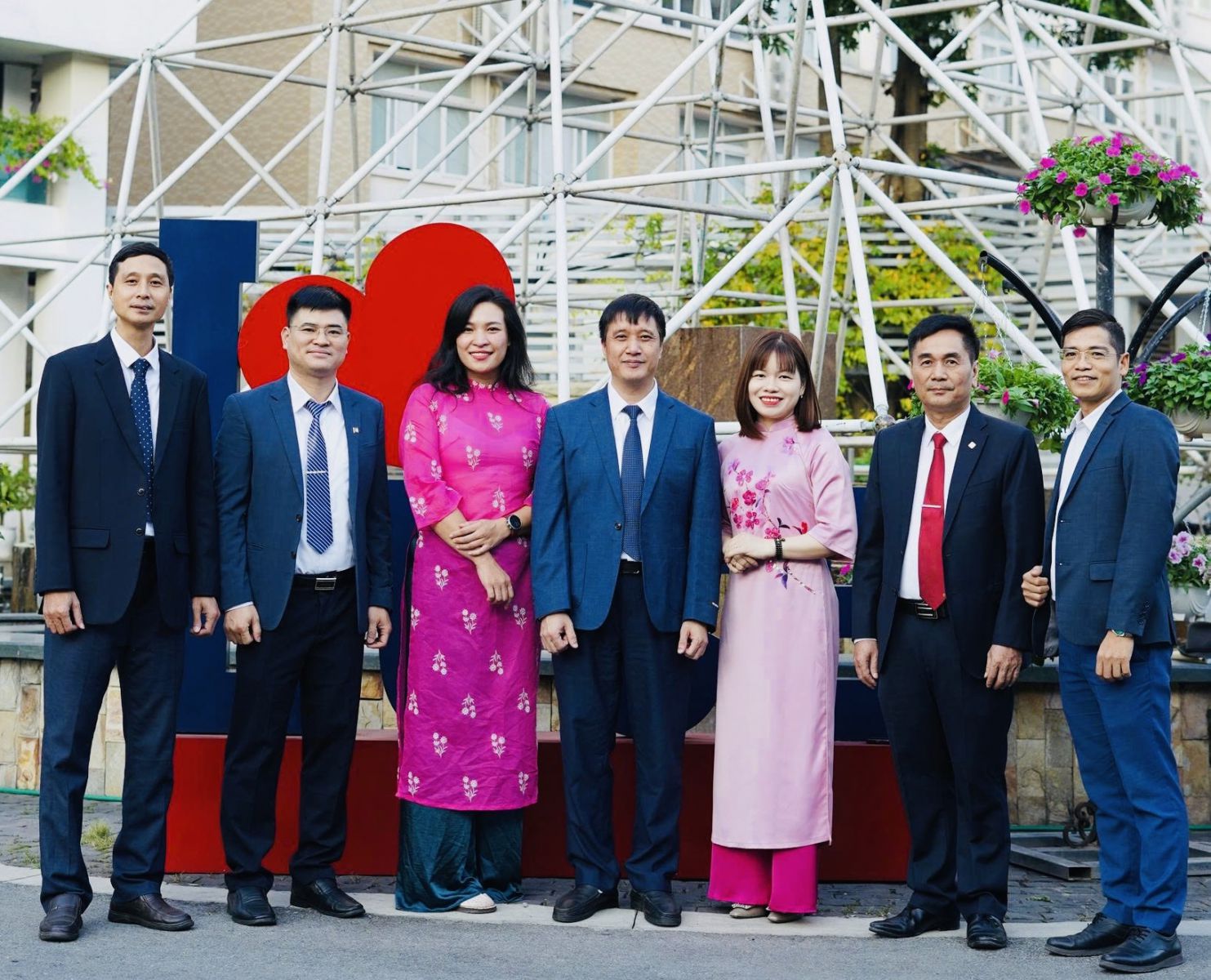
Construction Materials Technology Expert Group


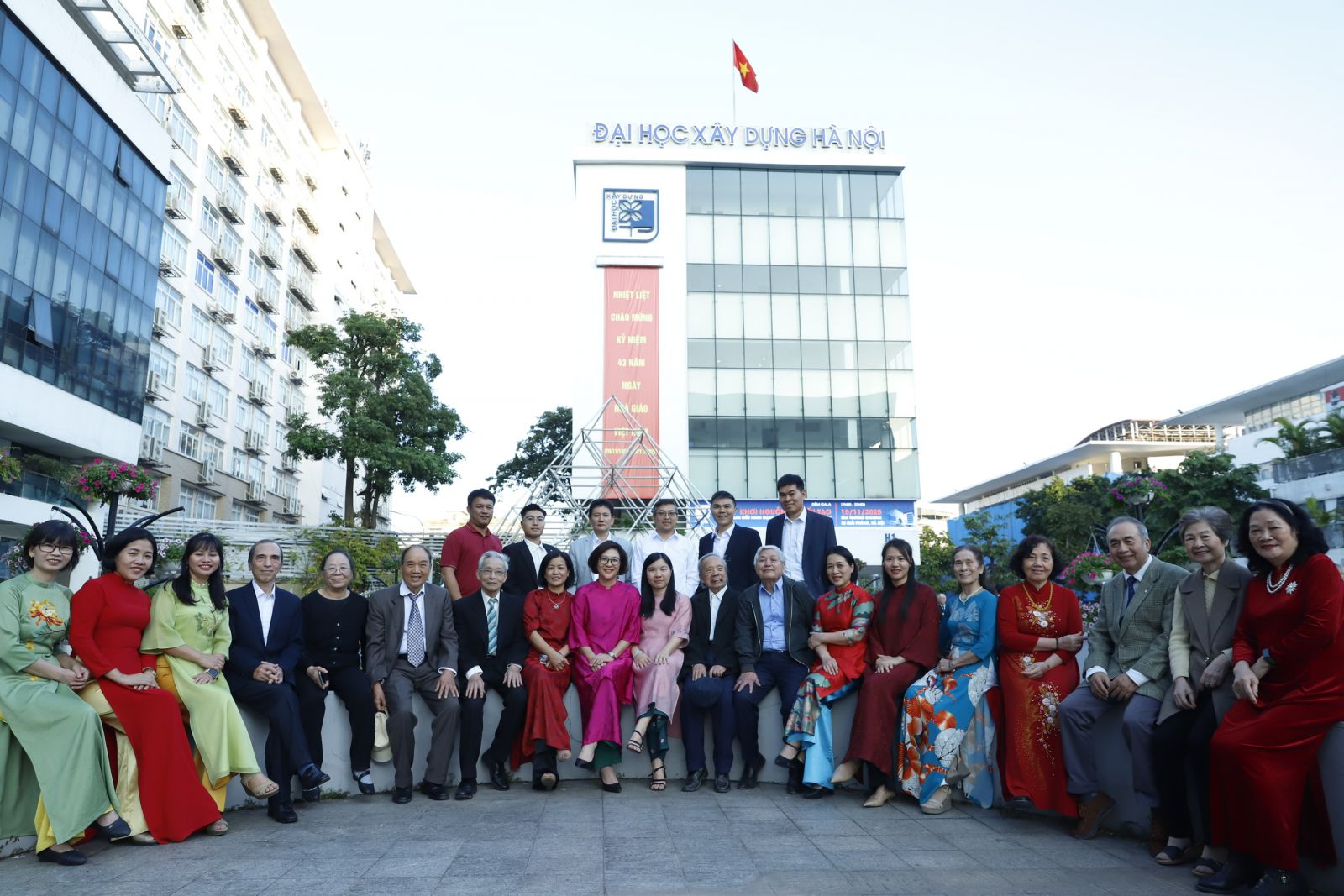
Building Materials Expert Group


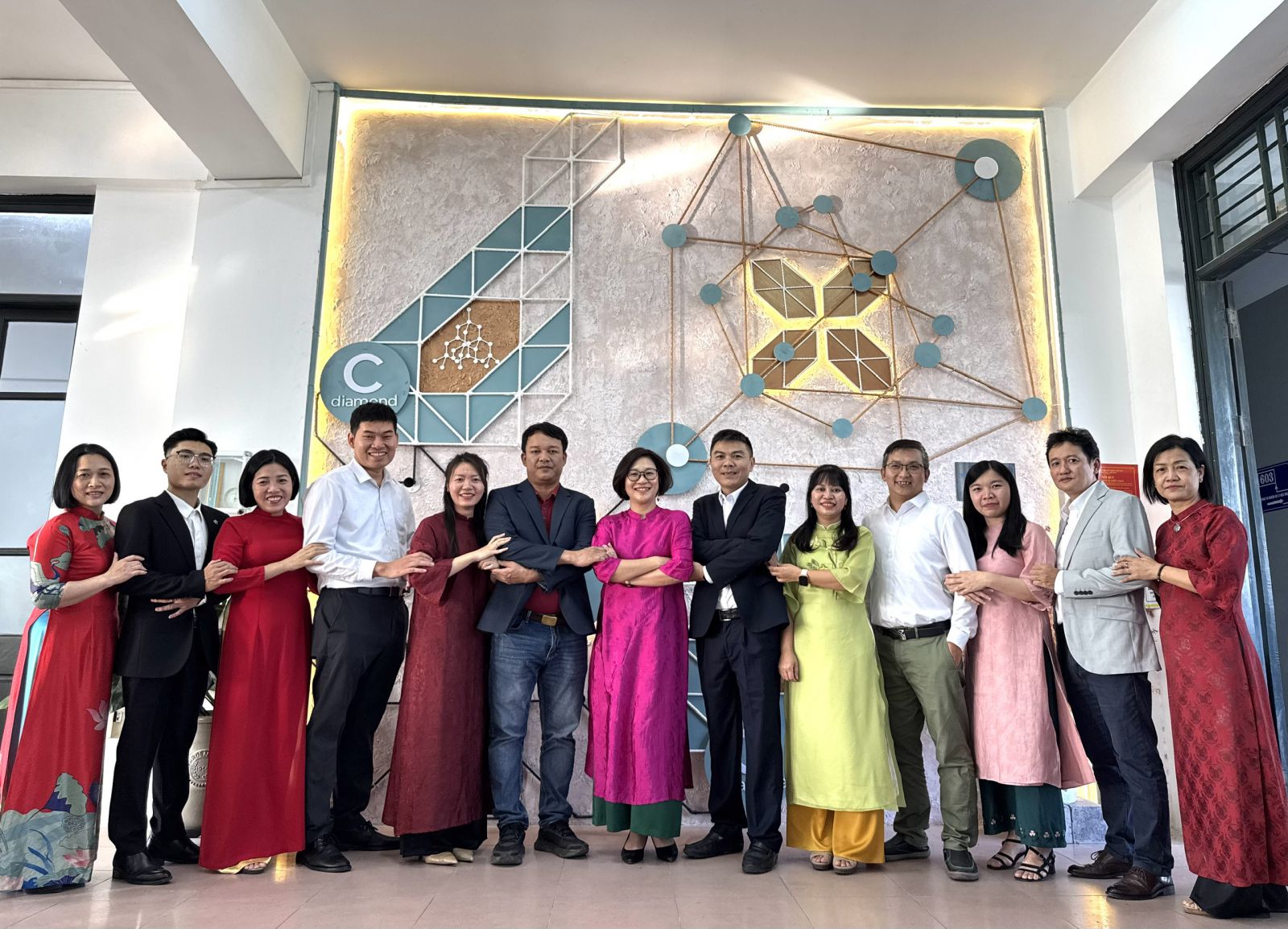
Chemistry Expert Group


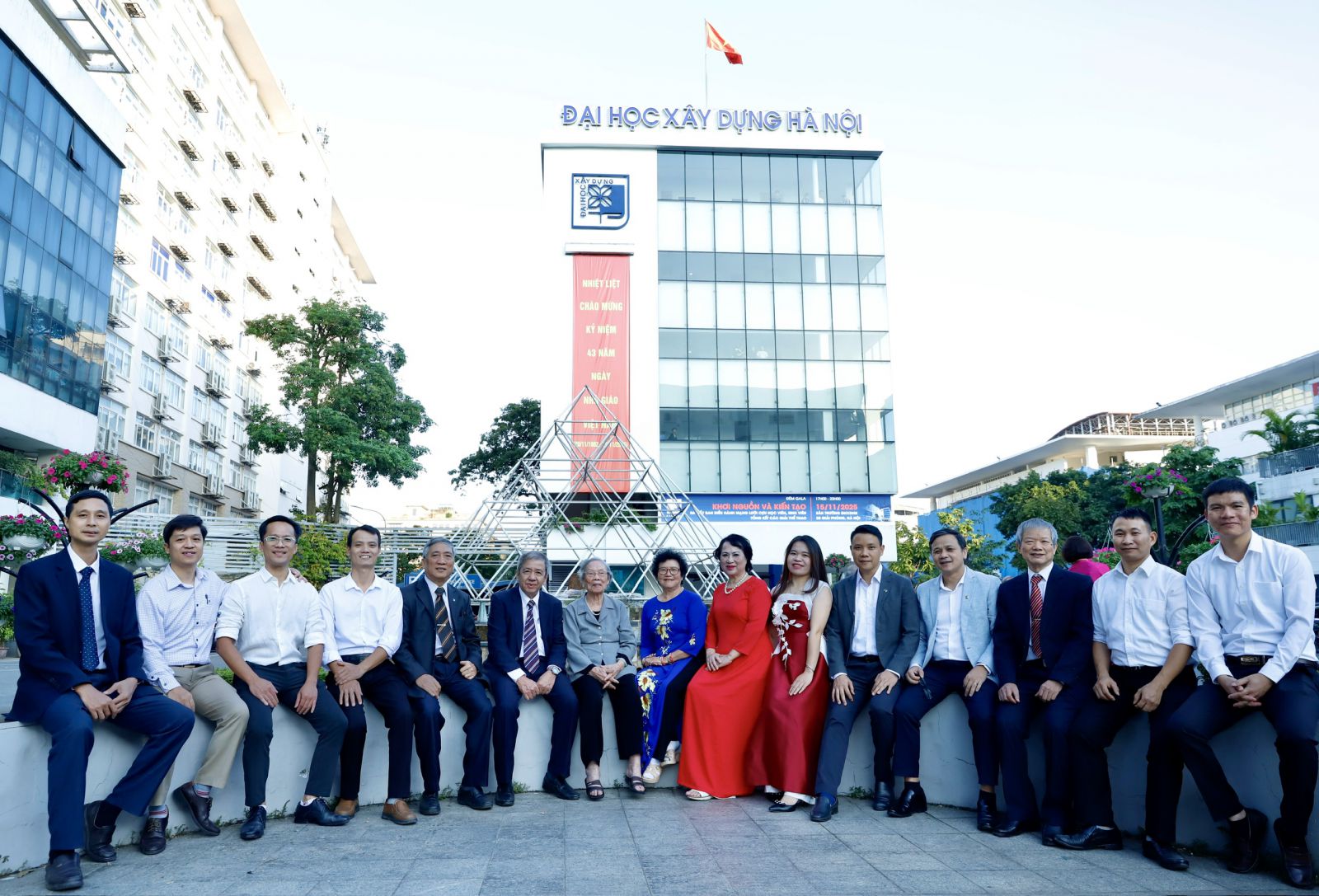
Construction Materials Testing and Research Specialist Group

Zalo
favebook